Thailand: Review of AFACI-RATES (IMPROVEMENT OF RURAL AGRICULTURAL TECHNOLOGY EXTENSION SYSTEM IN ASIA) project implementation

Thailand is keen to enhance its production of chillies by following Good Agricultural Practices (GAP). The Department of Agricultural Extension (DOAE) in Thailand through the AFACI-RATES project (2022-2025) has been implementing a project to identify, standardize and promote a package of practices in chilli cultivation through experimenting and integrating chill farming practices followed in Korea with the existing practices followed in Thailand. This is being tried in two of the Agricultural Learning Centres (ALCs) in two provinces, namely Phrae and Surin.

ALC is a learning center of agricultural production, management and marketing throughout the value chain to transfer agricultural services, appropriate information, and technologies to farmers. These 882 ALCs located in farmers’ farms across the country are model farmers having infrastructures related to agriculture such as demonstration fields and are willing to share their knowledge and expertise with neighbouring farmers. Several agencies are supporting the ALCs which is one of the main extension mechanisms through which new technologies are introduced in Thailand.

The RATES project in Thailand is also supported by researchers from the Kasetsart University who are developing and documenting the best practices in chill cultivation.

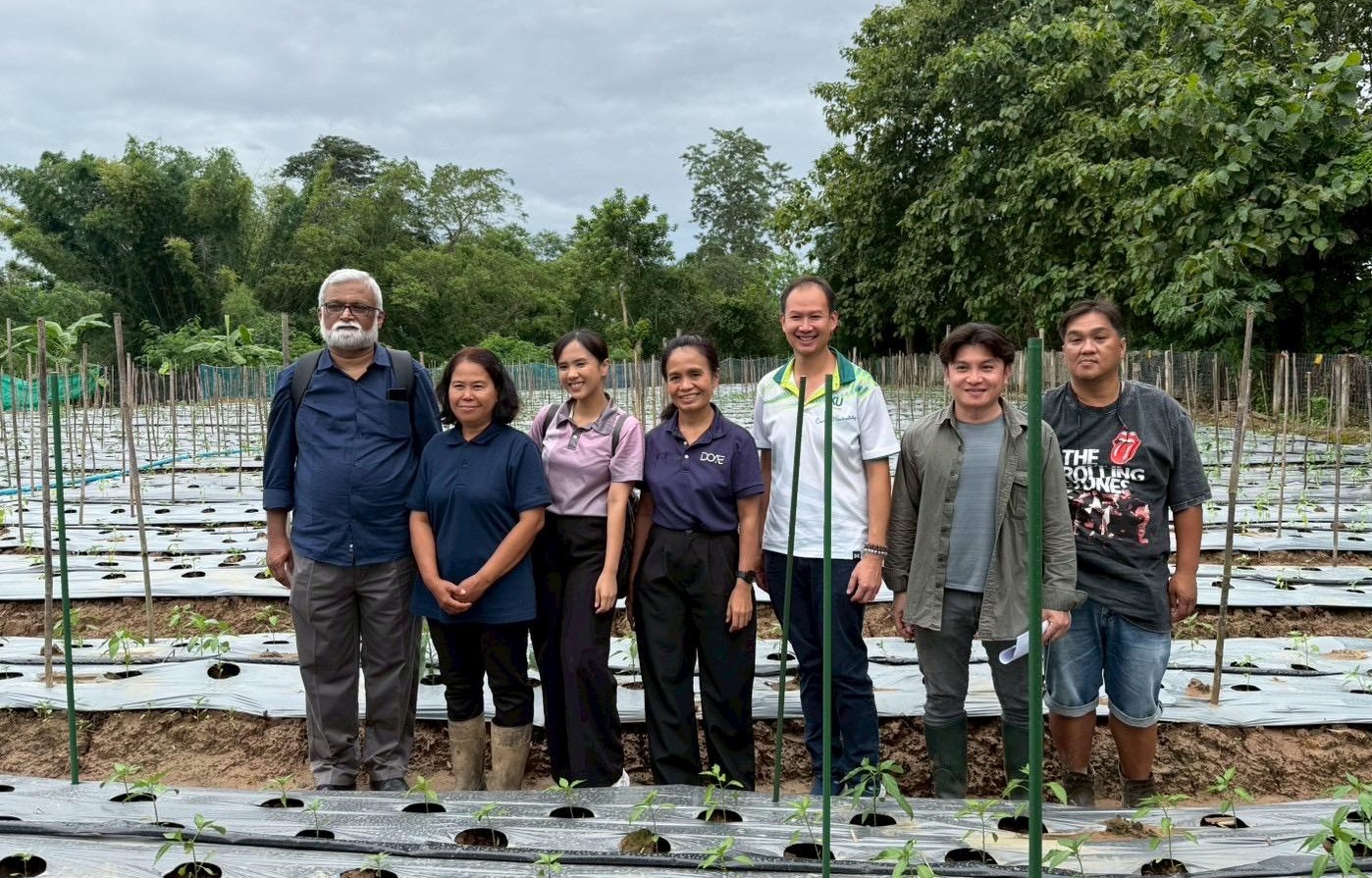
GFRAS through APIRAS is part of the RATES project. During 26-28 July 2025, Rasheed Sulaiman V, (Director, CRISP and PI of the project from GFRAS side); Ms Piyanan Boonsrang, (Agricultural Extensionist, Senior Professional level, Agricultural Extension Research and Development Division); and Ms Rattakorn Wuttiboon, (Foreign Relations Officer, Planning Division of DOAE) visited the ALC at Phrae Province managed by Mrs Preeya Udkhanjing (Nong Muangkhai District). The project will develop an extension manual on chilli cultivation and a video which will be available by the end of this year.
Field Visits to RATES Project Sites in Bhutan (April 14–18, 2025)

A team comprising Mr. Sunghwan Yun and Mr. Sung Jun Hong from RDA, Korea, and Dr. Rasheed Sulaiman V (PI-RATES, GFRAS), visited Bhutan to review RATES project interventions. During the visit, they toured project sites and met with key officials directly and indirectly involved in the implementation of the RATES project. The team also visited the Agriculture Research and Development Centre, Bajo, and interacted with researchers on Climate-Smart Agriculture Technology, as well as with staff at the National Plant Protection Centre (NPPC).

The team met with the Hon’ble Sonam Lyonpo, Minister for Agriculture and Livestock. The Minister expressed his gratitude for the support rendered by the AFACI-RATES project and urged the visiting team to continue supporting the Ministry, particularly for Bhutan's organic agricultural initiatives through market exploration and capacity building for Agricultural Extension Professionals.

The AFACI-RATES project has supported the establishment of an Organic Input Production Unit at the National Centre for Organic Agriculture (NCOA), which is currently in the final stages of completion. Production is scheduled to begin within a month. The team also engaged in discussions on other AFACI-funded research activities (e.g., tomato and chili) with researchers at the National Plant Protection Centre.

The project has completed reports of two baseline technology adoption studies, which are published on the Ministry of Agriculture website and available on the APIRAS site:

(a) Report on the Technology Adoption Survey—Western Region Click Here to View the PDF

(b) Report on Adoption of Labour Saving Technologies in Southern Region Click Here to View the PDF

A draft version of the Agriculture Extension Guideline is currently available and under review.

Higher Studies and Career Opportunities in Agri‑food Extension and Advisory in Canada -23 July 2025

Hosted by Agricultural Extension in South Asia (AESA) and the Asia-Pacific Islands Rural Advisory Services Network (APIRAS) on July 23, 2025, this insightful panel discussion explores pathways for pursuing graduate education and building careers in agri-food extension and advisory services with a special focus on opportunities in Canada.

The session features in-depth discussions on academic programs, scholarships, and professional roles in agri-food systems across Canada, South Asia, and beyond. Speakers share their experiences navigating international education and contributing to sustainable agriculture and rural development through research, policy, and practice.

Watch the recording to gain valuable perspectives from:
Ataharul Chowdhury, Associate Professor and Global Extension Leader (Canada)
Edward Kusi Asafo-Agyei, Policy Analyst and Future AgriFood Leader (Canada/Ghana)
Sultana Yeasmin, Senior Government Official and Inclusion Champion (Bangladesh)
Kamshajini Raveenthiran, Lecturer and Sustainable Agri-Food Advocate (Sri Lanka)

Special thanks to the organizing team at the Centre for Research on Innovation and Science Policy (CRISP): Dr. Rasheed Sulaiman V, Dr. D. Alagu Niranjan, Mr. Ayush Lal, Ms. Meenakshi S, Ms. Gayathri Lalu, and Mr. Anthony Christopher for their dedicated coordination.

Watch the webinar recording here

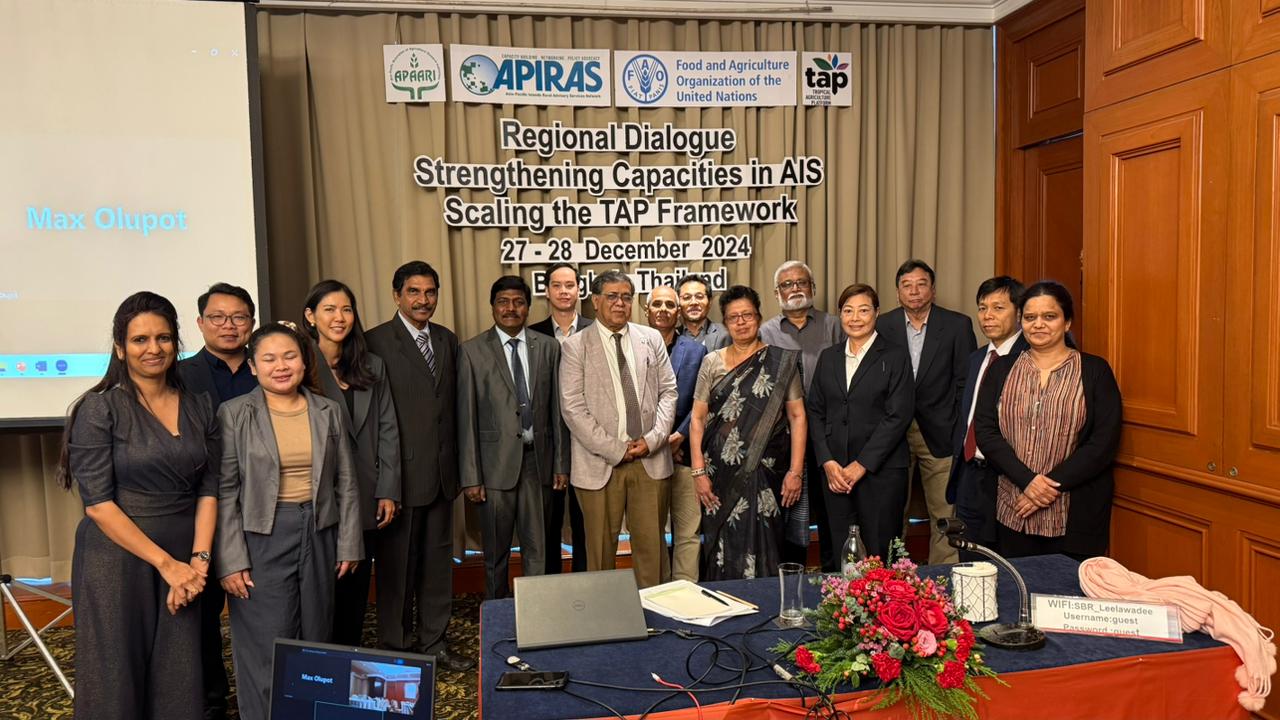
Regional Dialogue: Strengthening Capacities in AIS - Scaling the TAP (Tropical Agricultural Platform) Framework, 27 - 28 December 2024, Bangkok, Thailand

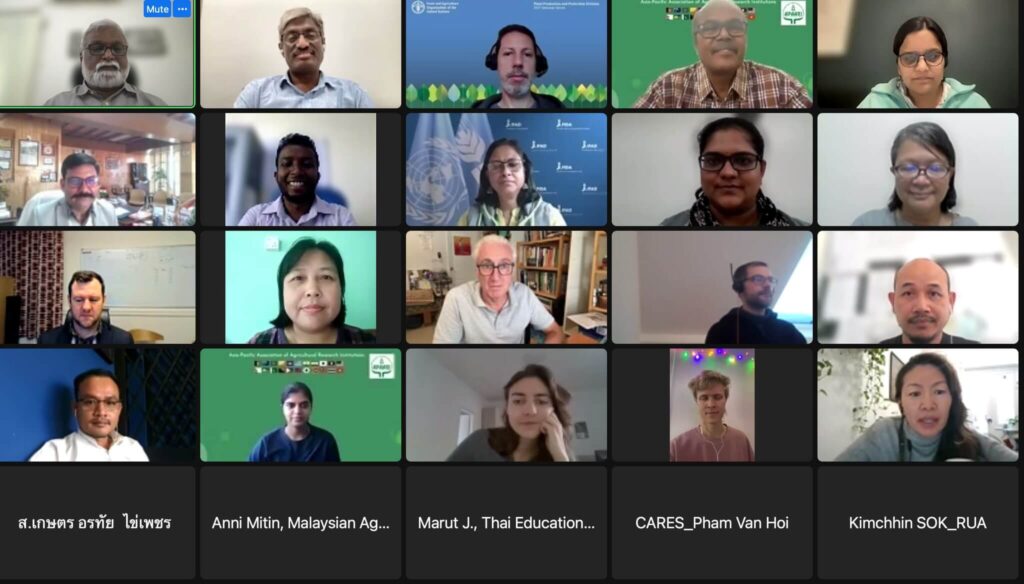
APAARI and APIRAS jointly organised this consultation with a diverse groups stakeholders from across the Asia-Pacific region, including government representatives, researchers, extensionists, policymakers, educators, and practitioners to (a) Reflect on the TAP-AIS (Agricultural Innovation Systems) project outcomesin the Asia-Pacific region, addressing regional gaps and lessons learned (b) Exchange insights on strengthening Agricultural Innovation Systems through policy alignment, institutional reforms, and capacity-building initiatives and (c)Co-develop a roadmap for scaling the TAP Frameworktowards 2030, tailored to regional needs. The insights and experiences shared by the participants will go into developing the TAP Road Map 2030. From the APIRAS side, Suvothong Namvong (MELA/APIRAS Chair), Botir Dosov (CACFRAS/APIRAS Vice Chair), Rasheed Sulaiman V and Nimisha Mittal (CRISP/APIRAS Secretariat), Mahesh Jaishi (AESA Focal Point, Nepal) and Marut Jatiket (MELA Focal Point) participated.
Participation in the One-Day Conference on 'Solutions and Best Practices for Improving Crop Sector Development in Mongolia'

On 27 November 2024, the German-Mongolian Cooperation Project on Sustainable Agriculture (DMKNL), Phase 4, organized a one-day conference titled “Solutions and Best Practices for Improving Crop Sector Development in Mongolia” as part of its project conclusion. During this phase, the project supported the organizational and strategic development of professional associations in crop and vegetable farming and enhanced services for farmers provided by the Research and Development Centre (RDC), Mongolian National Crop Farmers Association (MNCFA), Mongolian Vegetable Growers Association (MVGA), and its regional associations.

The conference aimed to develop recommendations for strengthening extension services, leveraging experiences and best practices. Dr. Rasheed Sulaiman V, focal point of the Asia-Pacific Islands Rural Advisory Services Network (APIRAS), participated in the event and emphasized the need for expanding the scope of extension services beyond mere technology dissemination. Key points included identifying new capacities required at different levels, strategies for their development, and opportunities for international collaboration through the Global Forum for Rural Advisory Services (GFRAS). Dr. Rasheed also proposed the establishment of the Mongolian Country Forum under the Central Asia and the Caucasus Forum for Rural Advisory Services (CAC-FRAS) and the Asia-Pacific Islands Rural Advisory Services Network (APIRAS).

On 28 November 2024, Dr. Rasheed held discussions on establishing the Country Forum (CF) with the Mongolian Farmers’ Association for Rural Development (MFARD). Meetings were also conducted with the assistant FAO representative for Mongolia to explore potential support for the CF and with the MoFALI/RDC team implementing the AFACI-RATES project in Mongolia.

APIRAS extends its special acknowledgments to Dr. Erdenebolor Baast (Deputy Team Leader, DMKNL, and Member, RATES Project) for the invitation and to Dr. Yesun-Erdene (Director General, Department of Crop Sector Policy Coordination and Implementation, MoFALI), Dr. Turmandakh (Executive Director, MFARD), and Ms. Nandintsetseg Sookhuu (Senior Officer, Crop Production, Innovation, and Extension, RDC/MoFALI, and Principal Investigator, RATES Project) for their invaluable support for this initiative.

Review of AFACI-RATES project interventions in Laos (15-18 November 2024)

AFACI-RATES project in Laos (2023-2025) aims to improve agricultural extension and capacity building of extension staff. The project led by the National Agriculture and Forestry Research Institute (NAFRI) is implemented in collaboration with the District Agriculture and Forestry Office (DAFO). GFRAS/APIRAS is supporting the project implementation and as part of this support, Dr Rasheed Sulaiman V, participated in a review of field implementation of the project in Luangphabang, Xaythany, Hadxyfong and Vientiane during 15-18 November. The project is strengthening capacities of select farmer entrepreneurs to provide extension support to farmers through farmer-to farmer extension approach. These farmer entrepreneurs are supported to establish community learning centres in their farms to training other farmers on Artificial Insemination in cattle and vegetable seed production etc. To strengthen vegetable value chain and promote Good Agricultural Practices (GAP) in vegetables, the project has partnered with AgriLao, a company that procures quality vegetables to supply other business such as hotels (B2B). The company has a mobile app named AgriLao. The project has also started working with agricultural cooperative such as Thongmang Organic Agriculture Cooperatives to help them link with AgriLao. Rasheed also met with Mr Souvanthong Lamvong, Deputy Director Deputy Director for the Department of Agriculture and Extension (DAEC) at the Laos-PDR Ministry of Agriculture and Forestry who is also the Chair of the APIRAS Steering Committee. Special thanks to Dr Phonevilay Sinavong (PI of the Project), Ms Lammone Khamphone, Ms Saetmany Phomphackdee and other team members for all the support.

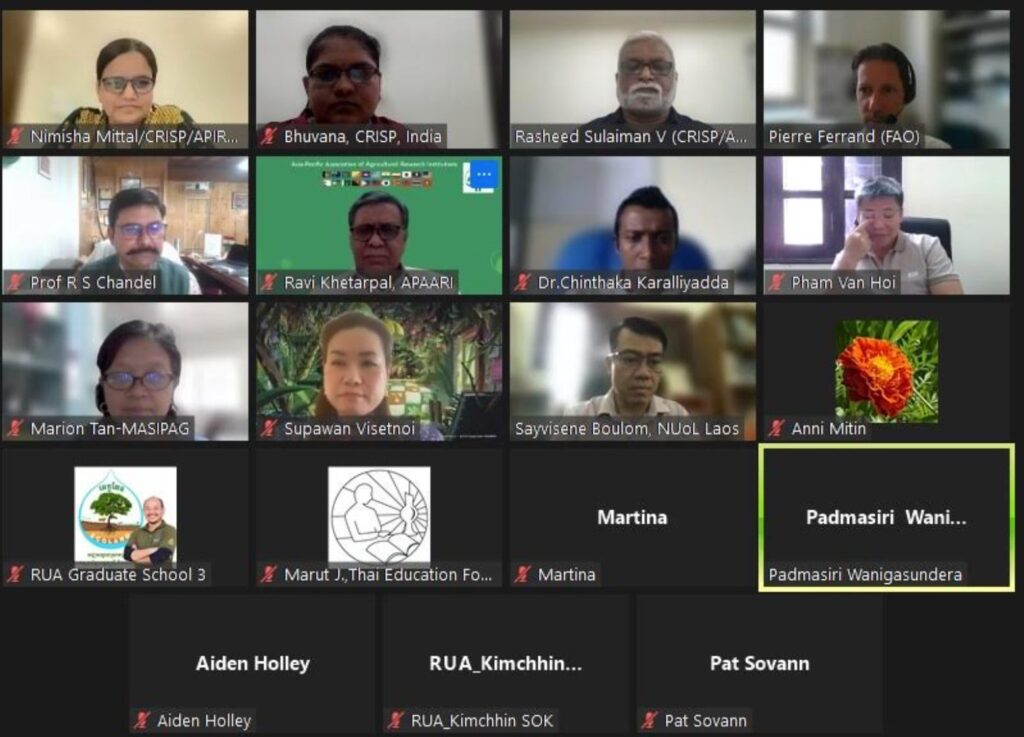
Third Meeting of the Working Group on Agroecology, (APIRAS-APAARI-FAO-TAP-AIS) Mainstreaming Agroecology in Agricultural Education

The main purpose of the Working Group is to sharing experinces in designing and promoting course in agroecology especially in higher education.

Rasheed Sulaiman V, Centre for Research on Innovation and Science Policy , set the scene for the meeting. G V Ramanjaneyulu, Executive Director, Krishna Sudha Academy for Agroecology (Centre for Sustainable Agriculture) India and Cesar Ortinero, Dean of Admissions and Professor of Environmental Sciences, Central Luzon State Universtiy (CLSU), Philippines shared their experiences with agroecolgy course development in the meeting. Pierre Ferrand (UN Food and Agriculture Organisation) moderated the discussions.

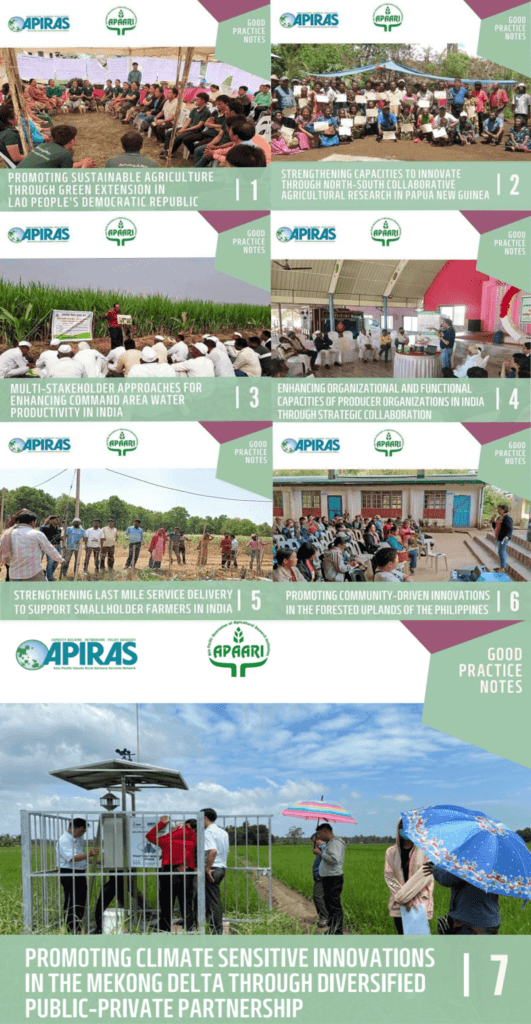
APIRAS-APAARI-Good Practices Notes

​The Asia-Pacific Islands Rural Advisory Services Network (APIRAS) and the Asia Pacific Association of Agricultural Research Institutions (APAARI), in close collaboration with the Office of Innovation (OIN) at the Food and Agriculture Organization (FAO) of the United Nations, are committed to strengthening agriculture innovation systems (AIS) in the Asia-Pacific for the sustainable transformation of agrifood systems. The Tropical Agriculture Platform (TAP) hosted by FAO, has developed approaches and tools to strengthen innovation capacities in the agri-food sector. As part of the TAP-AIS project funded by the European Union, TAP and its partners aim to strengthen capacities in regional research and extension organizations to integrate TAP tools and approaches into their work programmes. This effort will promote innovation processes at the country level and facilitate and strengthen collaboration and synergies between research and extension organizations at regional and national levels.

Despite encouraging signs that AIS approaches are being more widely integrated into national innovation policies and programmes, their successful adoption remains a challenge, long with limited documentation and evidence of existing successful practices. Considering the growing recognition of the importance of institutional innovations in promoting more efficient and productive collaboration and knowledge flow among different actors in the AIS, the APIRAS, APAARI and OIN-FAO team published the following GPNs considering cases from Asia-Pacific through a joint call.

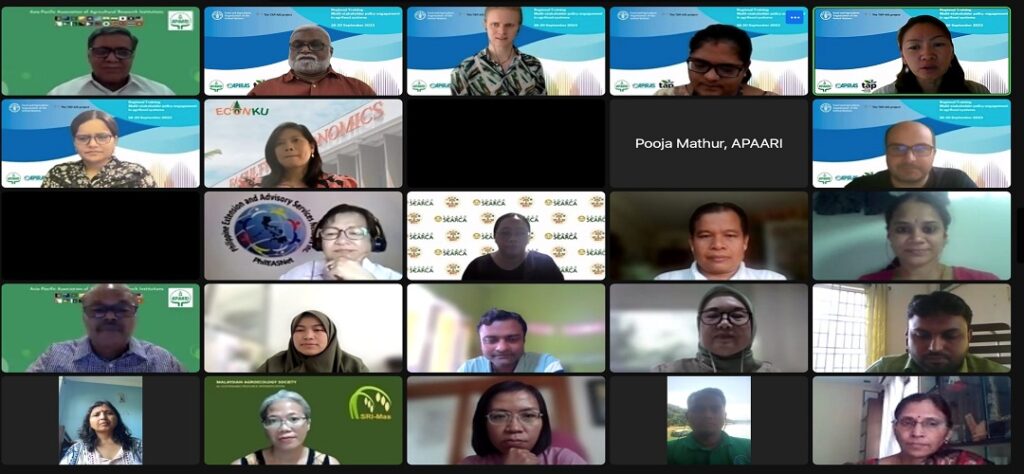
Training Programme on Multistakeholder Policy Engagment in Agrifood Systems organised by FAO (TAP-AIS), APIRAS and APAARI (18-20 September 2023)

In this second online meeting of the Working Group held today (18 July 2023), the participants reflected on ways to enhance functional capacities in agricultural education in the context of agroecology. To promote agroecology at scale, there is a need to have more professionals who can understand, appreciate, adapt and promote agroecological principles to suit varied agroecological settings. 21 participants representing different organisations interested and involved in development of courses on agroecology participated in the meeting.

Second Meeting of the Working Group on Agroecology, (APIRAS-APAARI-FAO-TAP-AIS) Mainstreaming Agroecology in Agricultural Education

In this second online meeting of the Working Group held today (18 July 2023), the participants reflected on ways to enhance functional capacities in agricultural education in the context of agroecology. To promote agroecology at scale, there is a need to have more professionals who can understand, appreciate, adapt and promote agroecological principles to suit varied agroecological settings. 21 participants representing different organisations interested and involved in development of courses on agroecology participated in the meeting.

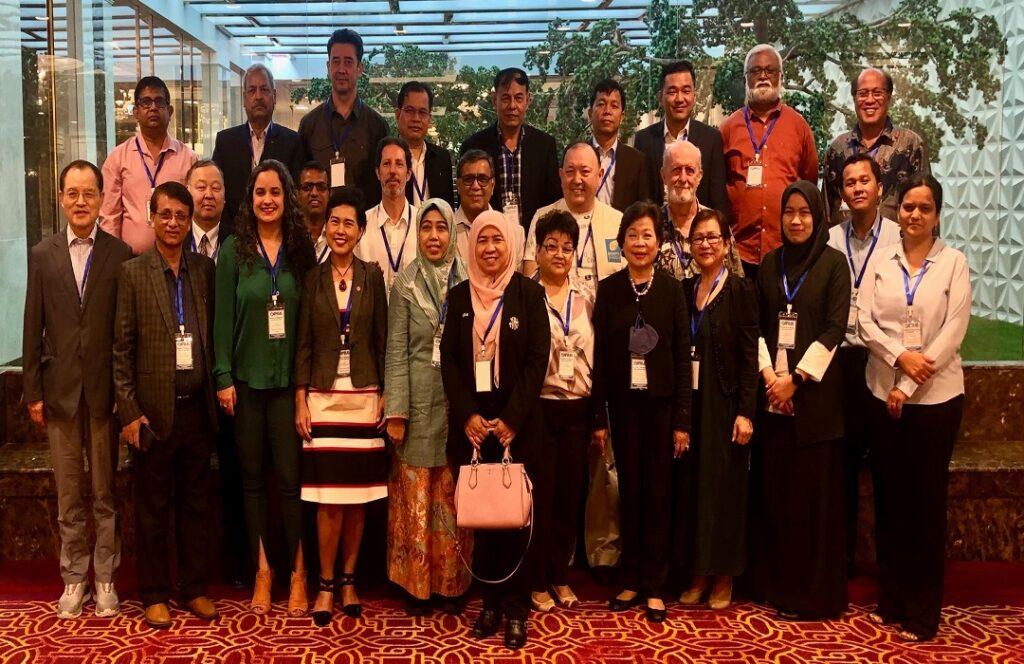
APIRAS Learning Workshop, Strengthening Rural Advisory Services in the Asia-Pacific, Bangkok 24-26 January, 2023

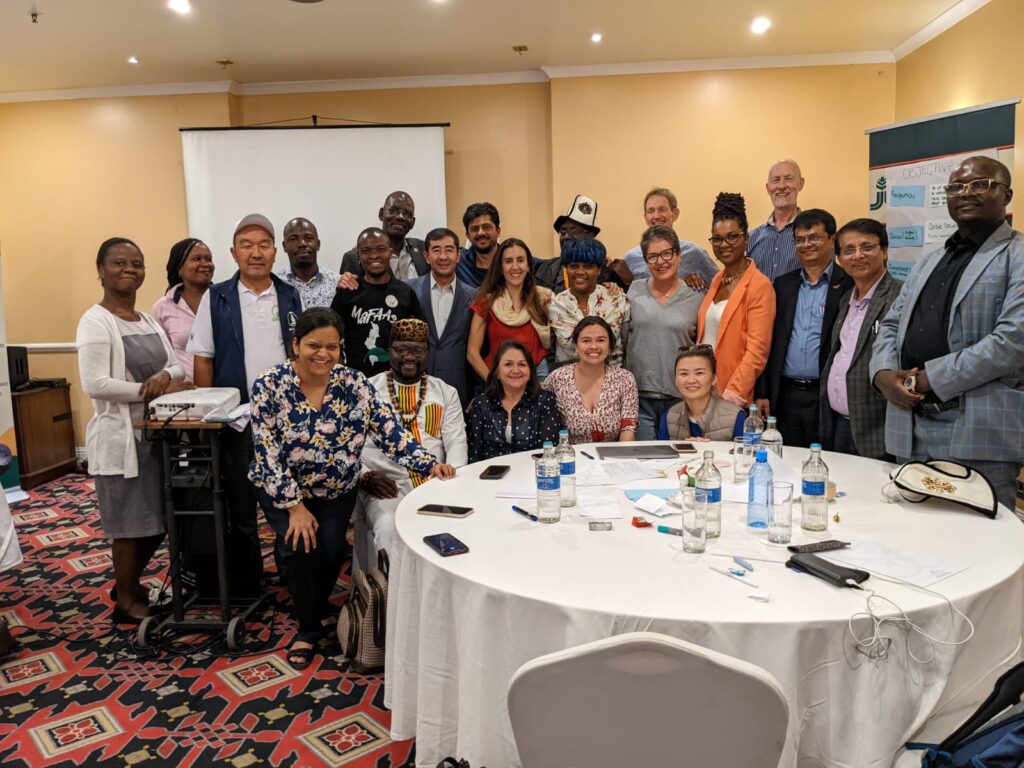
The workshop was aimed at primarily supporting the representatives of the Country Extension Networks to know more about the activities of Asia Pacific Islands Rural Advisory Services (APIRAS) and its sub-regional networks and to help them learn about potential opportunities and interventions to strengthen their initiatives and plan the next set of interventions. The workshop also discussed ways of improving the governance of APIRAS and identifying new hosting arrangements.

IFAD supervision mission was organised at Nairobi, Kenya, 28 September – 1 October 2022

The Asia-Pacific Islands and Rural Advisory Services Network (APIRAS), the Asia-Pacific Association of Agricultural Research Institutions (APAARI) in close collaboration with the Research and Extension Unit of the Food and Agriculture Organization (FAO) of the United Nations are committed to strengthen agriculture innovation systems in Asia-Pacific for transforming agri-food systems. In 2020, APIRAS and APAARI carried out Joint Rapid Appraisal (JRA) to scope the innovation environment to identify and document initiatives aimed at strengthening Agricultural Innovation Systems (AIS). The JRA revealed three main barriers that constrain development of an effective AIS in the Asia-Pacific.

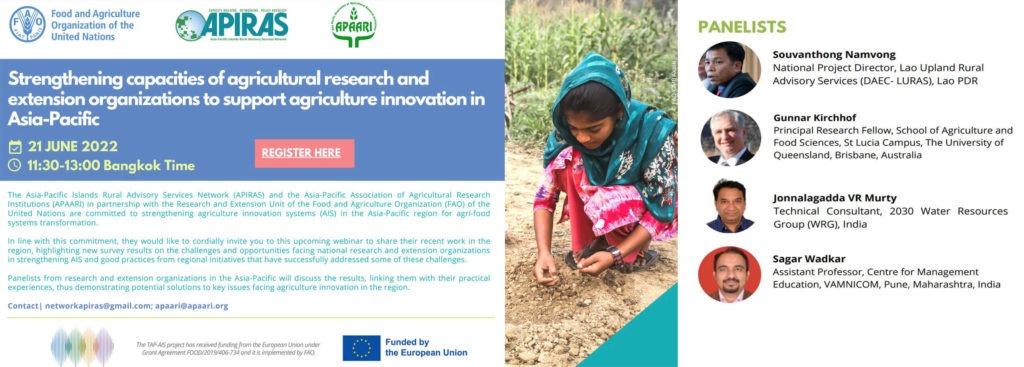
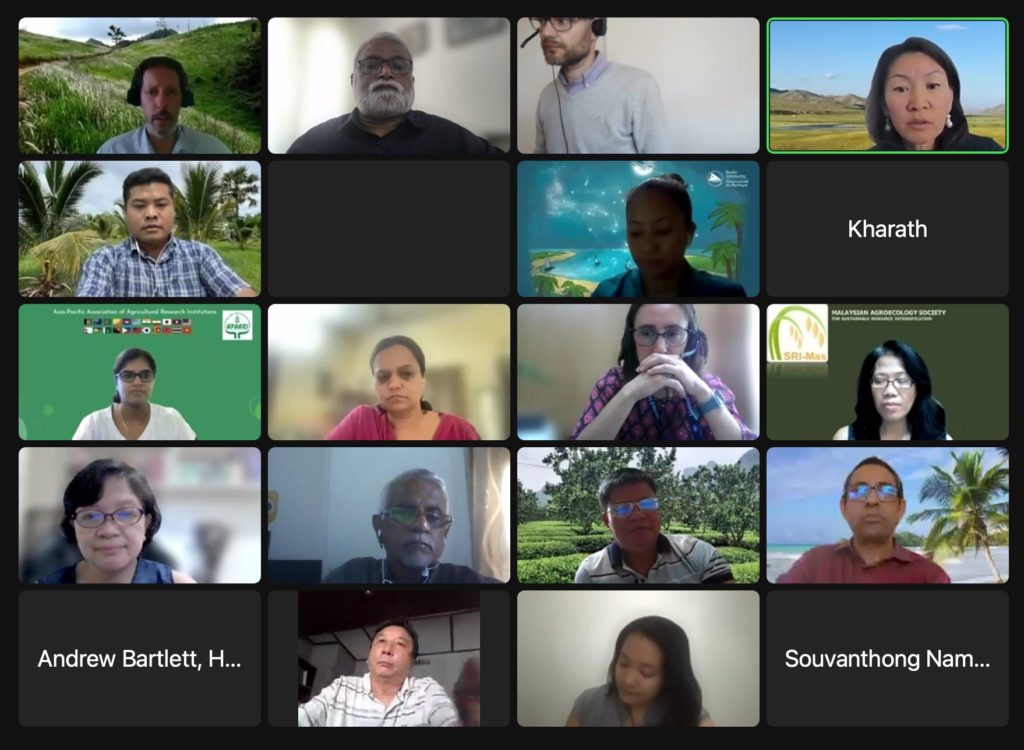
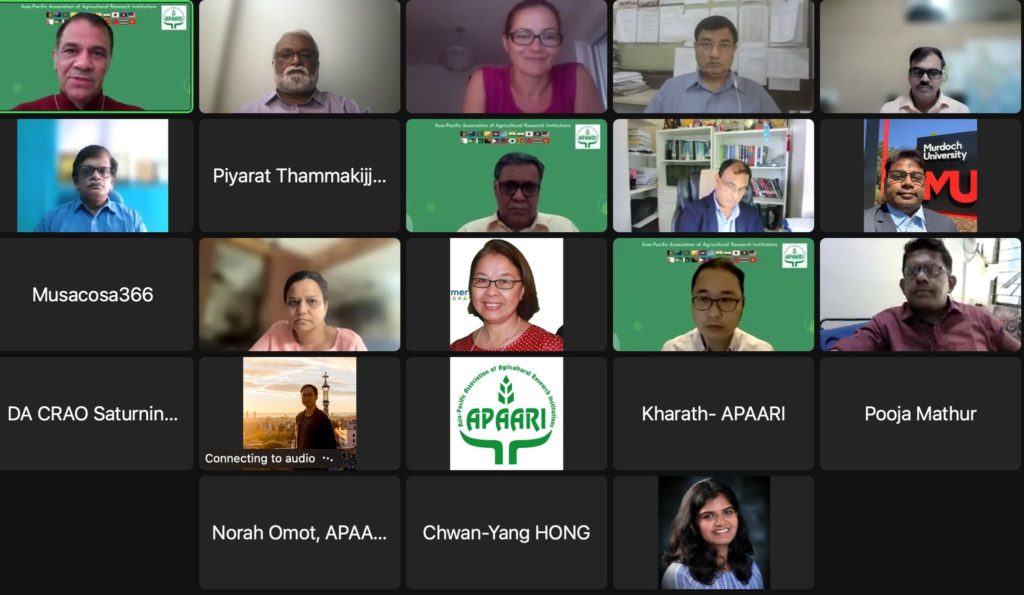
Strengthening Capacities of Agricultural Research and Extension Organizations to Support Agriculture Innovation in Asia-Pacific –21 June 2022

This webinar was organized to share the results from the online survey on “Strengthening Agricultural Innovation Systems (AIS) in Asia-Pacific: Research-Extension Interface” and to showcase good practices from the region that have successfully addressed some of these challenges in strengthening AIS.

Panelists from research and extension organizations in the Asia-Pacific discussed their practical experiences thus demonstrating potential solutions to key issues facing agriculture innovation in the region.

APIRAS-APAARI-FAO Working Group on Agroecology

First Meeting of the APIRAS-APAARI-FAO Working Group on Agroecology (10 June 2022) In this first meeting, the working group focussed on the challenges in mainstreaming agroecology in the research, extension and education agencies in Asia-Pacific and ways of strengthening these capacities to promote agroecology which could then be supported by both Regional Research and Extension Organizations in Asia-Pacific (APAARI and APIRAS).

First Meeting of the Working Group on Agri-biotechnology- APAARI-APIRAS-FAO (TAP-AIS)​

The first and second meeting of the Working Group on Agri-biotechnology was held on 25 May 2022 and 17 June 2022 respectively.

These meeting were held to:

  1. Discuss main challenges and opportunities biotechnology presents to small holders in Asia and Pacific;
  2. Provide strategic guidance on the use of biotechnology for small holder farmers in the region; and
  3. Contribute to the development of regional brief on biotechnology for small holders in Asia: status and outlook.

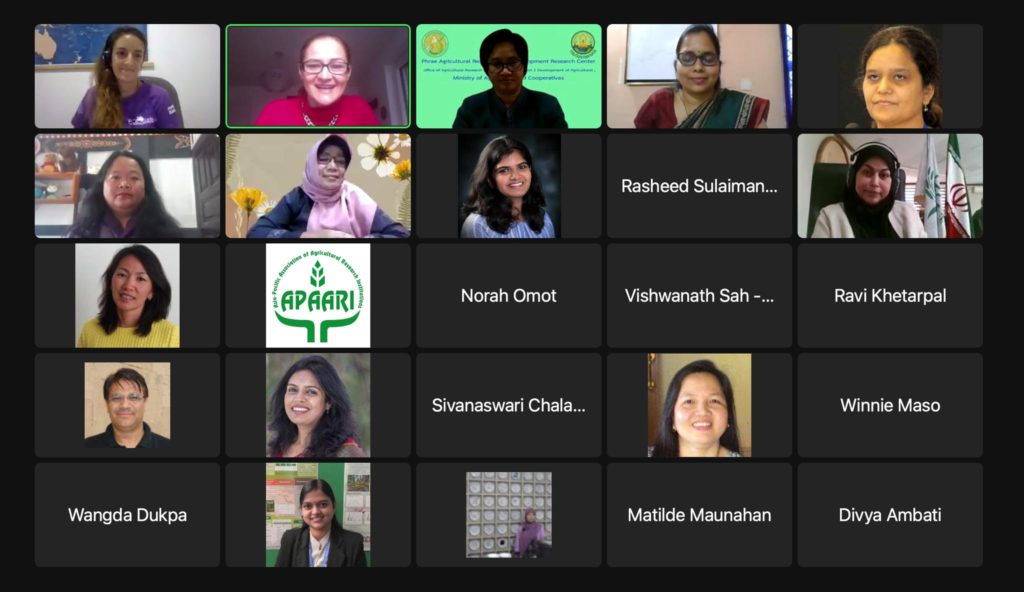
Webinar on Women in Research and Extension: Advancing Gender Equality in Innovation in Asia-Pacific

08 march 2022, The Asia-Pacific Association of Agricultural Research Institutions (APAARI), in collaboration with the Asia-Pacific Islands Rural Advisory Services Network (APIRAS), and the Tropical Agriculture Platform (TAP) hosted by the Food and Agriculture Organization of the United Nations (FAO), organizied a webinar on ‘Women in research and extension: Advancing gender equality in innovation’.

The webinar was aimed to inspire and mobilize change to help advance women’s role as innovators in their respective areas of research and extension, to ensure their meaningful and inclusive contribution to the transformation of agri-food systems in the Asia-Pacific region.

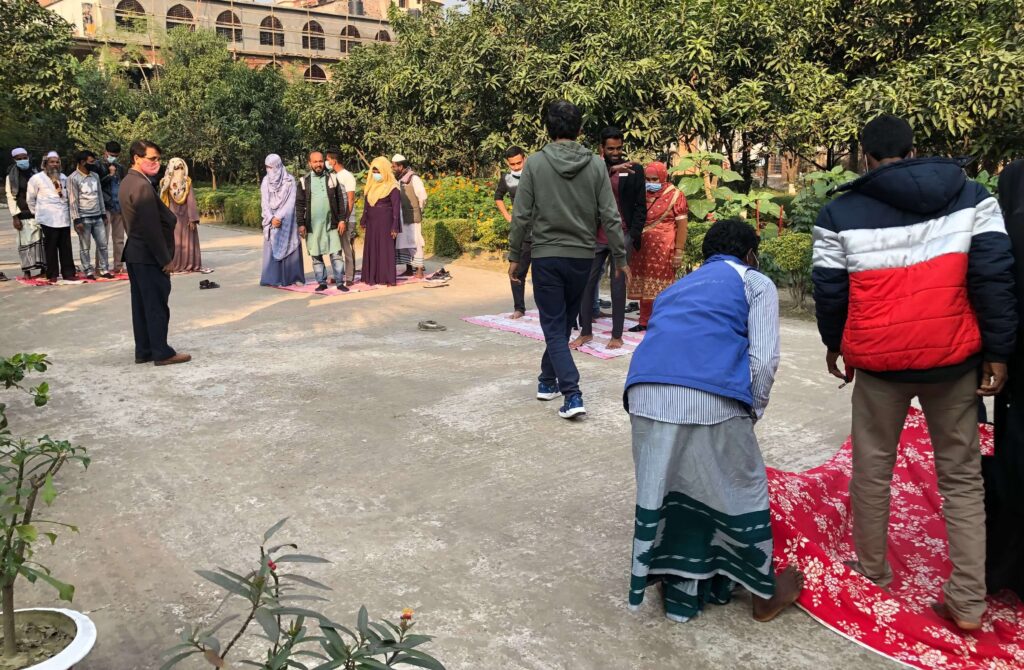
Training for Rural Youth Lead Farmers -07 to 08 January 2022.

Bangladesh Agricultural Extension Network (BAEN), under the IFAD-funded Last Mile Programme (LMP), co-organized a ‘Leadership training for rural youth lead farmers’ from 07 to 08 January 2022, in collaboration with Palli Karma Sahayak Foundation (PKSF). It was a two-day residential training where 21 trainees from five NGO partner organization of PKSF participated.

APIRAS-APAARI: CALL FOR GOOD PRACTICES Strengthening Agricultural Innovation Systems in Asia Pacific – 25 December 2021

The Asia-Pacific Islands and Rural Advisory Services Network (APIRAS), the Asia-Pacific Association of Agricultural Research Institutions (APAARI) in close collaboration with the Research and Extension Unit of the Food and Agriculture Organization (FAO) of the United Nations are committed to strengthen agriculture innovation systems in Asia-Pacific for transforming agri-food systems. In 2020, APIRAS and APAARI carried out Joint Rapid Appraisal (JRA) to scope the innovation environment to identify and document initiatives aimed at strengthening Agricultural Innovation Systems (AIS). The JRA revealed three main barriers that constrain development of an effective AIS in the Asia-Pacific.


These include:

a. lack of sufficient partnerships among actors in the AIS,
b. inadequate investments and lack of policies that could steer the research and extension agencies to engage with other AIS actors, and
c. lack of sufficient capacity development initiatives aimed at enhancing functional capacities of AIS actors.
This call is to document good practices that have contributed to successful strengthening of capacities for innovation drawing on experiences on the above three topics.

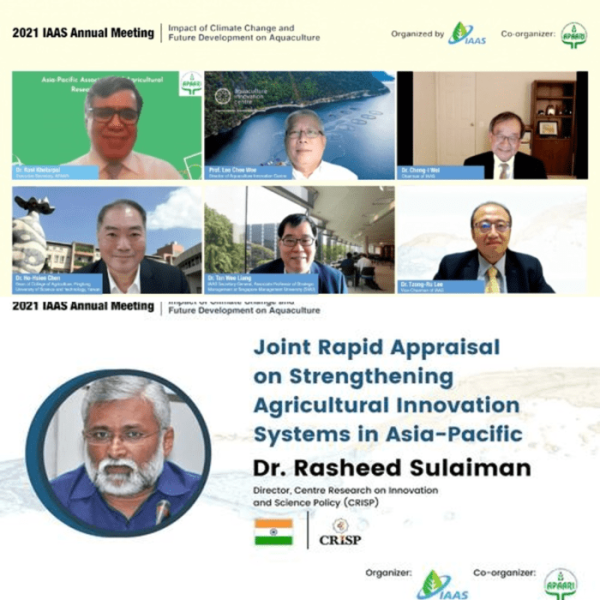
Joint Rapid Appraisal on Strengthening Agricultural Innovation Systems in Asia-Pacific 10-Decmeber 2022

10th December 2021, International Association for Agriculture Sustainability (IAAS) organized its Annual Meeting that gathered more than 300 scholars, researchers, industry professionals and investors from 47 countries to discuss the challenges by climate change and share the solutions from different region’s respectively. During this event, Dr. Rasheed Sulaiman V, Director Centre for Research on Innovation and Science Policy (CRISP) and Focal Point APIRAS made a presentation on the Joint Rapid Appraisal on Strengthening AIS in Asia-Pacific.

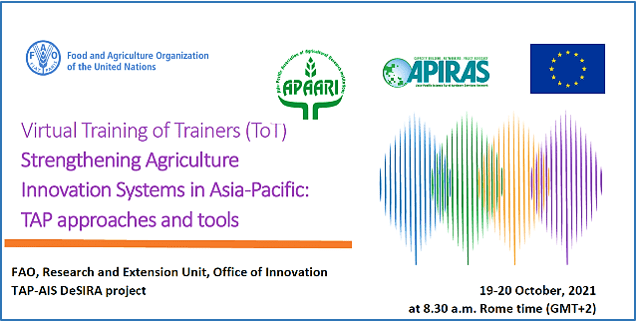
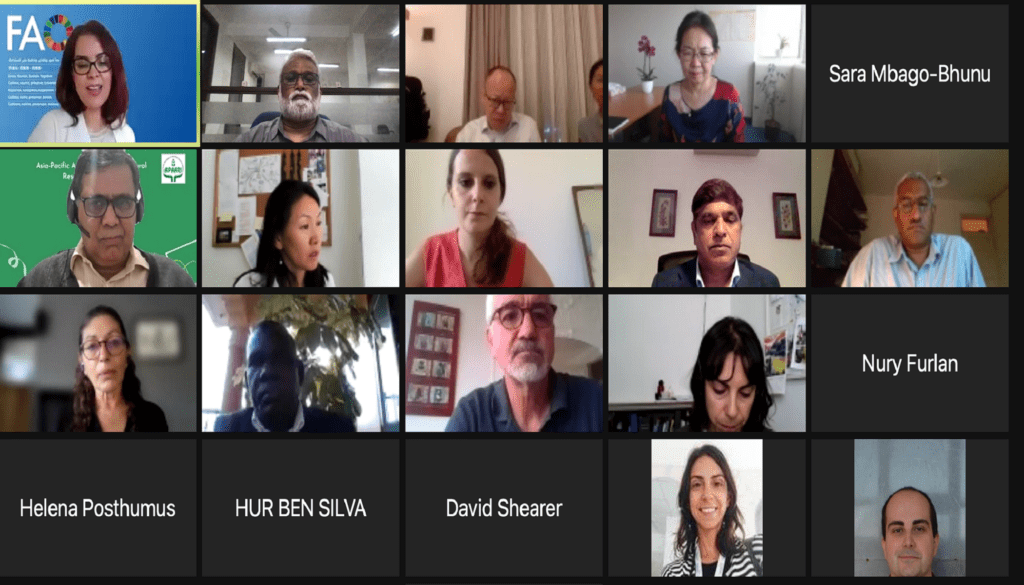
Training of Trainers Workshop on ‘Strengthening Agriculture Innovation Systems in Asia-Pacific: TAP Approaches and Tools’ held on 19-20 October 2021,

The training was organized by the Tropical Agriculture Platform – Agricultural Innovation Systems (TAP-AIS) project, ‘Developing Capacities in Agricultural Innovation Systems: Scaling up the Tropical Agriculture Platform Framework’, implemented by FAO’s Research & Extension (R&E) Unit, funded by the European Union (EU) as a component of the ‘Development Smart Innovation through Research in Agriculture (DeSIRA): Towards Climate-relevant Agricultural and Knowledge Innovation Systems’ initiative. The project aims to strengthen AIS by promoting the Common Framework for capacity development of the TAP.

Thirty participants from 13 countries in Asia and the Pacific – Bangladesh, Bhutan, Cambodia, Kyrgyzstan, India, Indonesia, Lao People’s Democratic Republic, Malaysia, Nepal, Philippines, Sri Lanka, Thailand and Viet Nam – joined the webinar.

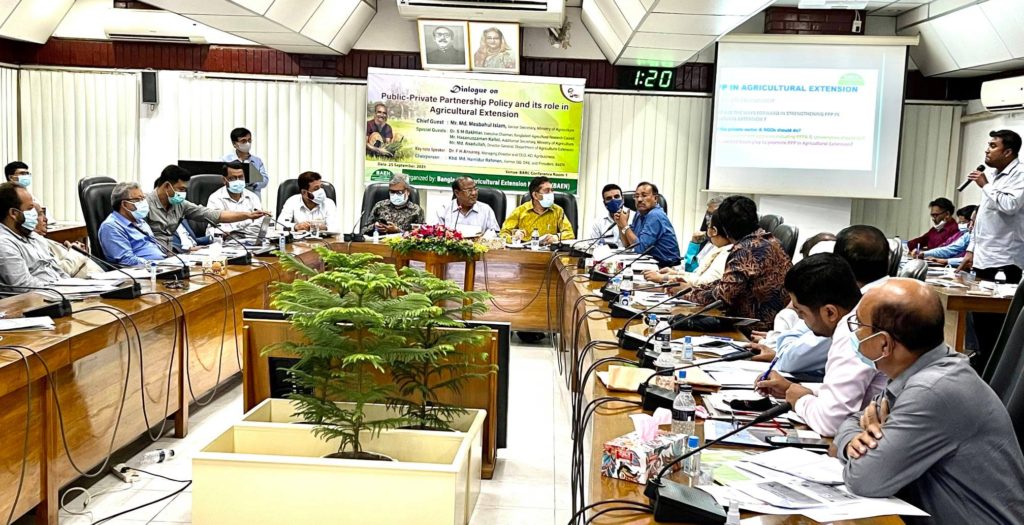
Dialogue on Public-Private Partnership Policy and its role in Agricultural Extension- 25 September 2021

Bangladesh Agricultural Extension Network (BAEN) under the IFAD-funded Last Mile Programme (LMP), organized a Dialogue on ‘Public-Private Partnership (PPP) Policy and its role in Agricultural Extension’ on 25 September 2021, at Dhaka, Bangladesh. It discussed the draft findings from the recent analysis conducted by BAEN on PPPs in Agricultural Extension in Bangladesh and charted potential ways forward for strengthening PPP initiatives to reach farmers at the last mile with advice and services.

APIRAS participated in the TAP side event ​

APIRAS participated in the TAP side event on Capacity Development for Agricultural Innovation Systems-lessons learnt and future action of the TAP partnership on 5 July 2021 as part of the science days of the UN Food Systems Summit 2021. Regional Research and Extension Organizations including APIRAS highlighted their efforts to integrate TAP tools and approaches into their work and shared some lessons learnt through their collaboration in the context of the TAP-AIS project.

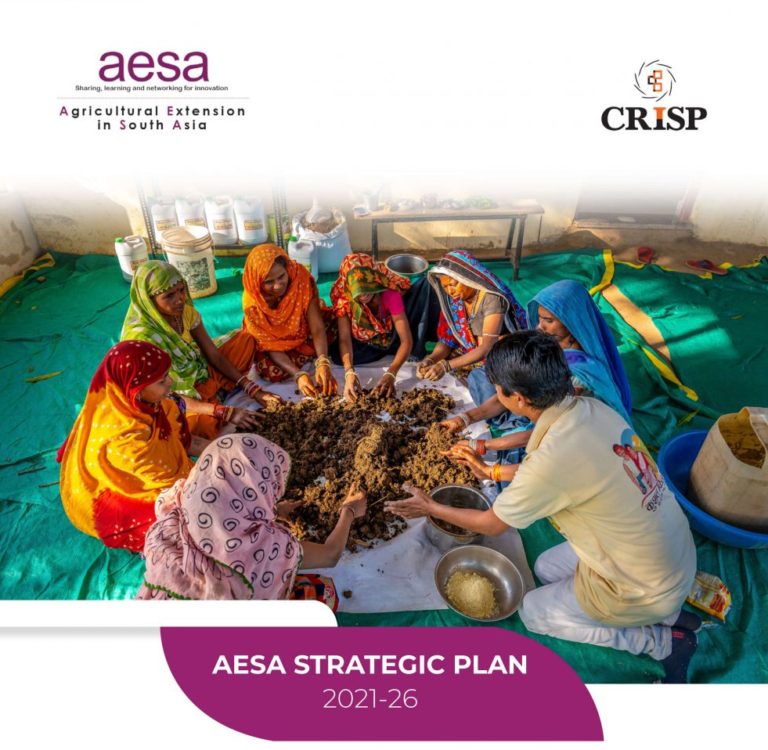
AESA STRATEGIC PLAN-2021-26

Reviewing short- and medium-term priorities and results framework and develop strategic Plan-AESA 2025.

It was only seven years back, in 2014 that AESA (Agricultural Extension in South Asia) started its journey in Asia. Despite the funds limitation AESA has performed extremely well, though it could have probably done much more if it had adequate funds. This has happened primarily because of the dedication of its founding members to keep moving against all odds. Today AESA is very well-known within the agriculture extension fraternity. Its knowledge management products are highly appreciated. AESA’s founding members strongly feel that the time has now come to take a leap and achieve much more – systematically and sustainably. These founding members strongly feel that the priorities that were identified in 2014 are extremely good and are valid even today. Taking these priorities into the next six years, AESA needs to consolidate what it does well and find ways to achieve what it hasn’t been able to achieve yet. Analyzing the current status of the priorities, strength and weakness of AESA, in the next five years AESA will focus on the following strategic directions:

Last Mile Programme (LMP) 2-5 December 2020.

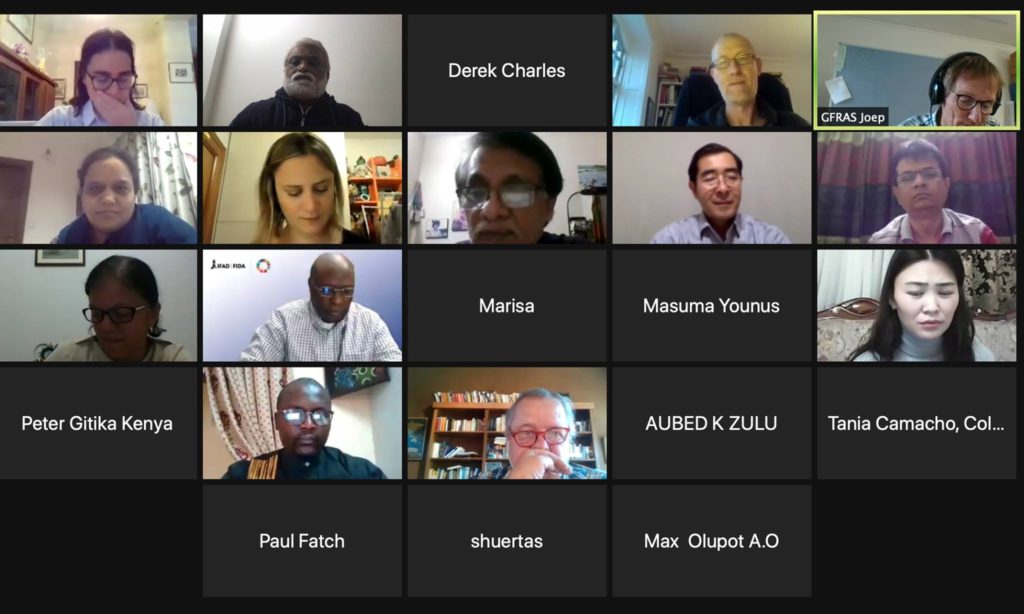
The APIRAS team also Participated in the Virtual Supervision Mission of the Last Mile Programme (LMP) During 2-5 December 2020.

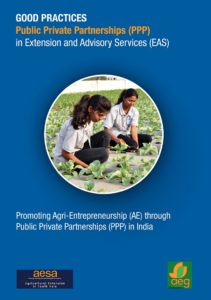
GOOD PRACTICES: Public Private Partnerships in Extension and Advisory Services

AESA, through its website, published a Good Practices on Public Private Partnerships (PPP) in EAS. In this Good Practices Note, S Baskar Reddy, Rajendra Jog, Parikrama Chowdhry and Aravind Thumbur reflect on their experiences here.

National Workshop on Advanced Research Methodology for Social Sciences

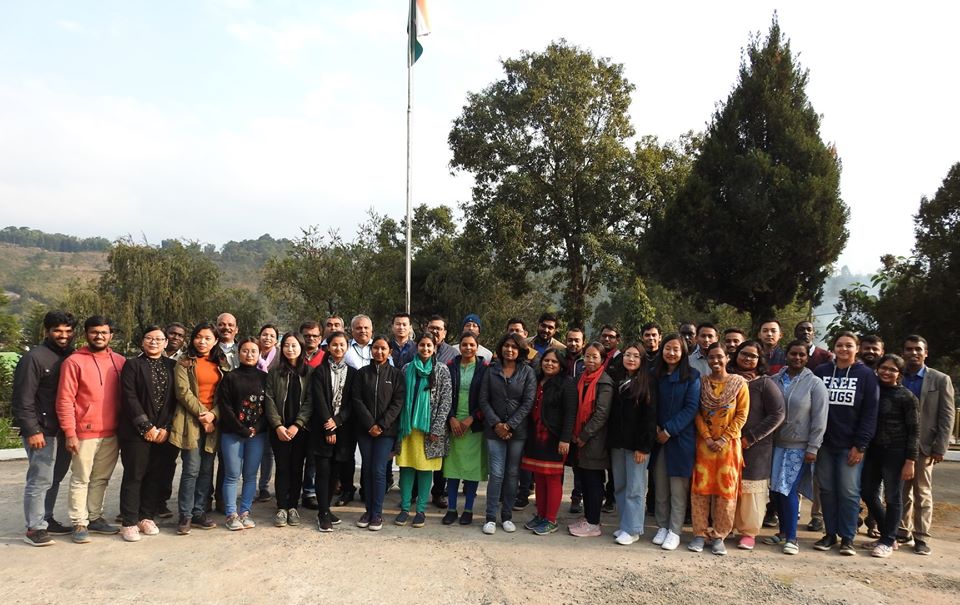
Networking undertaking partnership activities and initiating support for RAS capacity development, professionalization and RAS innovation. AESA co-organized a national workshop on ‘Advanced Research Methodology for Social Sciences’ from 6 to 11 January 2020 at ICAR Research Complex for North Eastern Hill Region (ICAR-RC-NEH), Umiam, Meghalaya. This was done in collaboration with National Institute of Agricultural Extension Management (MANAGE), ICAR-Central Tuber Crops Research Institute (ICAR-CTCRI), Centre for Research on Innovation and Science Policy (CRISP) and ICAR-RC-NEH.

A​PIRAS-APAARI Joint Action Plan

In order to integrate TAP tools into the research and extension organizations and their programmes in the Asia-Pacific region, a joint rapid appraisal​ ​​( http://www.fao.org/3/cb5995en/cb5995en.pdf)​ was conducted by regional research and extension organizations (APAARI and APIRAS) in 2020, resulting in a Joint Action Plan (JAP). The APAARI-APIRAS rapid appraisal allowed to identify entry points for the uptake of TAP approaches and tools: consequently, the JAP includes specific activities to promote TAP concepts and approaches on CD for AIS in the Asia-Pacific region.

APIRAS participated in the Regional Dialogue on ‘Capacity Development in Agricultural Innovation Systems (CDAIS) in Asia, Africa and Latin America: Lessons and Experiences from the Joint Rapid Appraisals (JRA)’ on 20 November 2020 and presented the findings from South Asia. This event was co-organized by the Inter-American Institute for Cooperation on Agriculture (IICA), the Latin American Rural Extension Services Network (RELASER), the Asia-Pacific Association of Agricultural Research Institutions (APAARI), the APIRAS, the Forum for Agricultural Research in Africa (FARA), and the African Forum for Agricultural Advisory Services (AFAAS) as a side event at the TAP Partner Assembly.

Host


Asia-Pacific Association of Agricultural Research Institutions(APAARI)
182 Larn Luang Road,
Khlong Mahanak Pomprab Sattrupai
Bangkok, 10100, Thailand

Technical Support


Centre for Research on Innovation and Science Policy (CRISP)
H.No: 8-2-598/A/13, Opposite Vista Image, Road No.10, Banjara Hills,
Hyderabad– 500034, India

Reach Us

Email : networkapiras@gmail.com
Call Us : +040-48962540

Follow Us

©2024 All Rights Reserved Asia-Pacific Islands Rural Advisory Services Network (APIRAS)

TOP