2025 AFACI Project Evaluation Workshop on RATES, 13-17 October, Tashkent
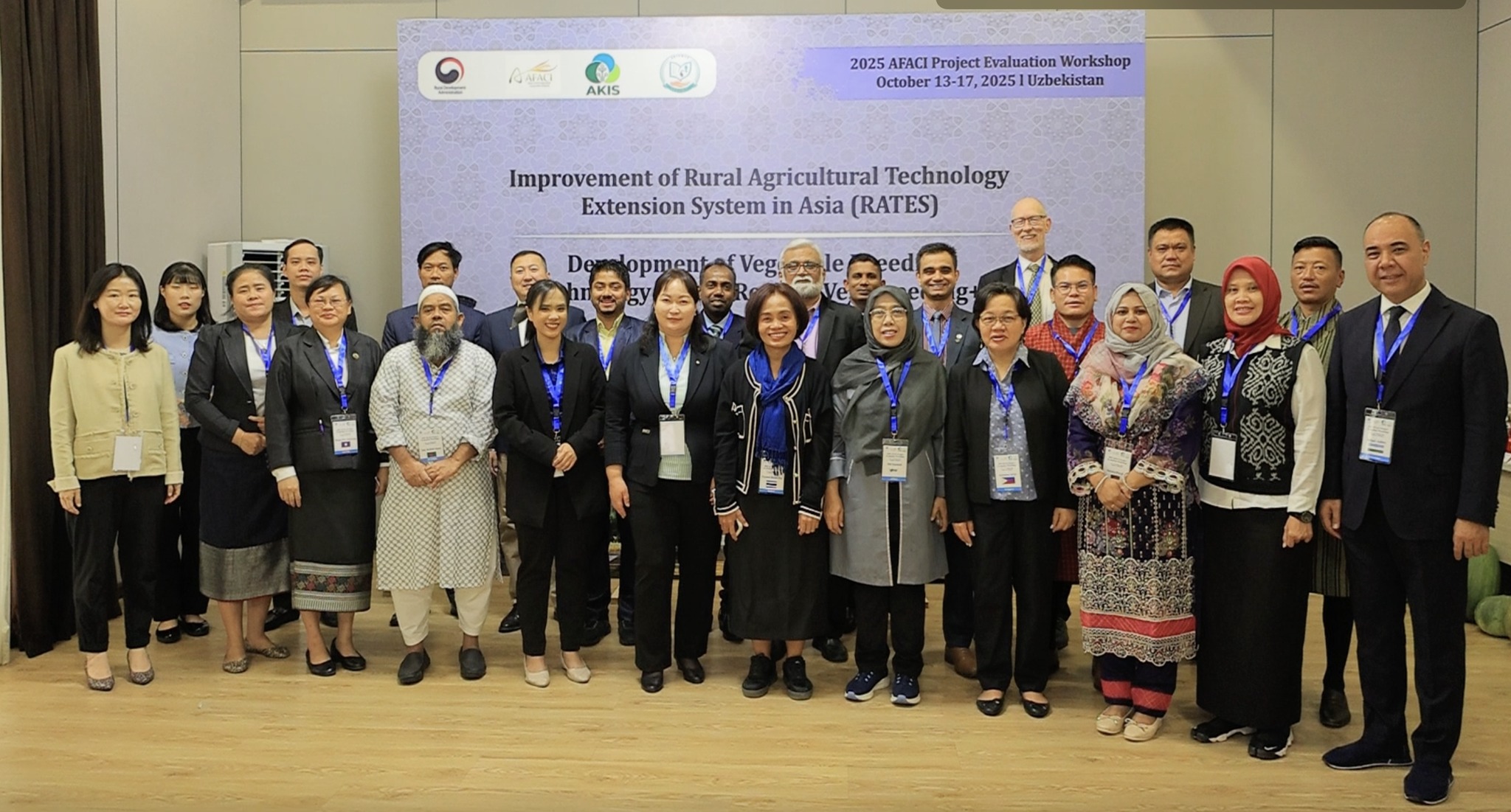
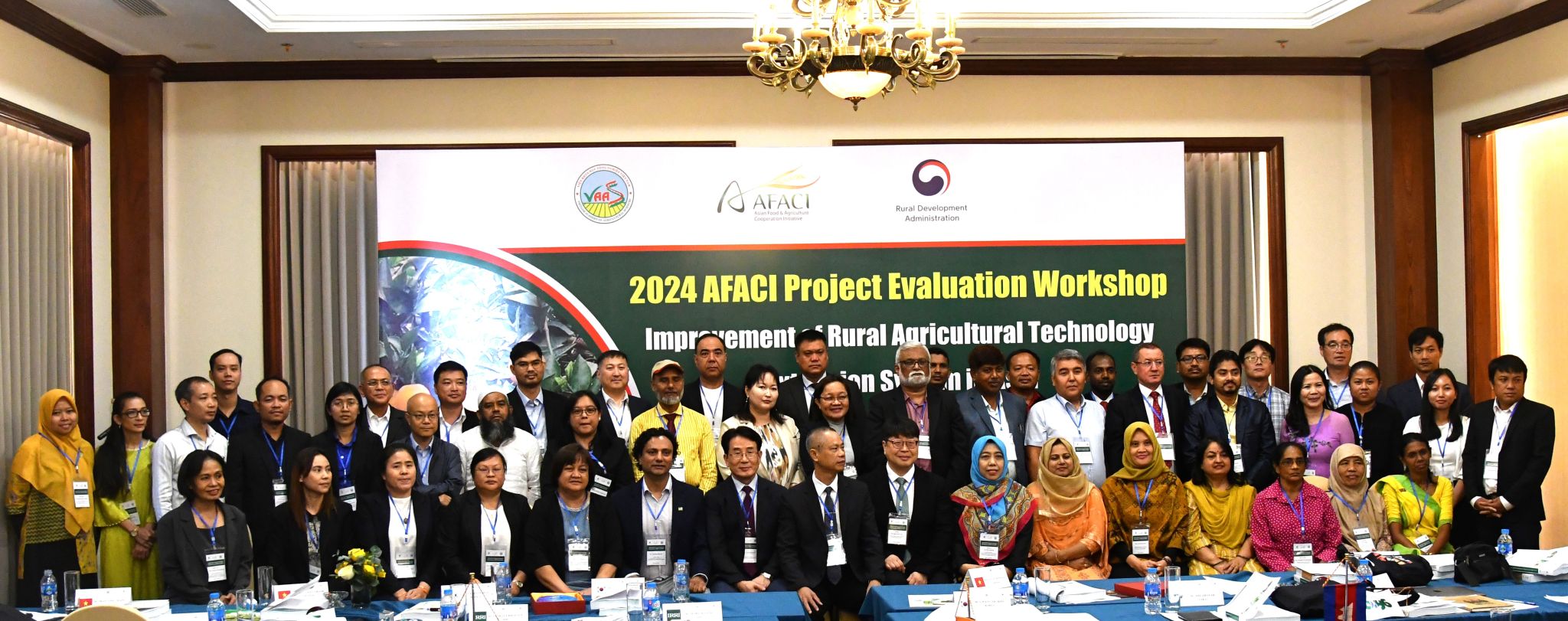
The 2025 Project Evaluation workshop of the RATES (Improvement of Rural Agricultural Technology Extension System in Asia) Project was held on October 13-17, 2025 at Tashkent, Uzbekistan. Principal Investigators of the project from each of the 12 countries shared the significant results and outcomes from their project. The project is funded by the Asian Food and Agriculture Cooperation Initiative (AFACI) supported by the Rural Development Administration (RDA), Korea.
The Global Forum for Rural Advisory Services (GFRAS) through Asia Pacific Islands Rural Advisory Services (APIRAS) has been technically supporting this project since 2022. Carl Larsen Executive Secretary, GFRAS; Rasheed Sulaiman V (Focal Point, APIRAS) and Siti Amanah, Focal Point, RAS-SEA (Rural Advisory Services for South East Asia) participated in this programme.
Our special thanks to Sanjar Adilov, Head of International Relations and Investments Department National Center of Knowledge and Innovation in Agriculture (Ministry of Agriculture of Uzbekistan); Park, Soo-Yun, Program Director, AFACI Secretariat and Hong Eunjung, Coordinator for the successful conduct of this programme.
The Global Forum for Rural Advisory Services (GFRAS) through Asia Pacific Islands Rural Advisory Services (APIRAS) has been technically supporting this project since 2022. Carl Larsen Executive Secretary, GFRAS; Rasheed Sulaiman V (Focal Point, APIRAS) and Siti Amanah, Focal Point, RAS-SEA (Rural Advisory Services for South East Asia) participated in this programme.
Our special thanks to Sanjar Adilov, Head of International Relations and Investments Department National Center of Knowledge and Innovation in Agriculture (Ministry of Agriculture of Uzbekistan); Park, Soo-Yun, Program Director, AFACI Secretariat and Hong Eunjung, Coordinator for the successful conduct of this programme.
Thailand: Review of AFACI-RATES (IMPROVEMENT OF RURAL AGRICULTURAL TECHNOLOGY EXTENSION SYSTEM IN ASIA) project implementation
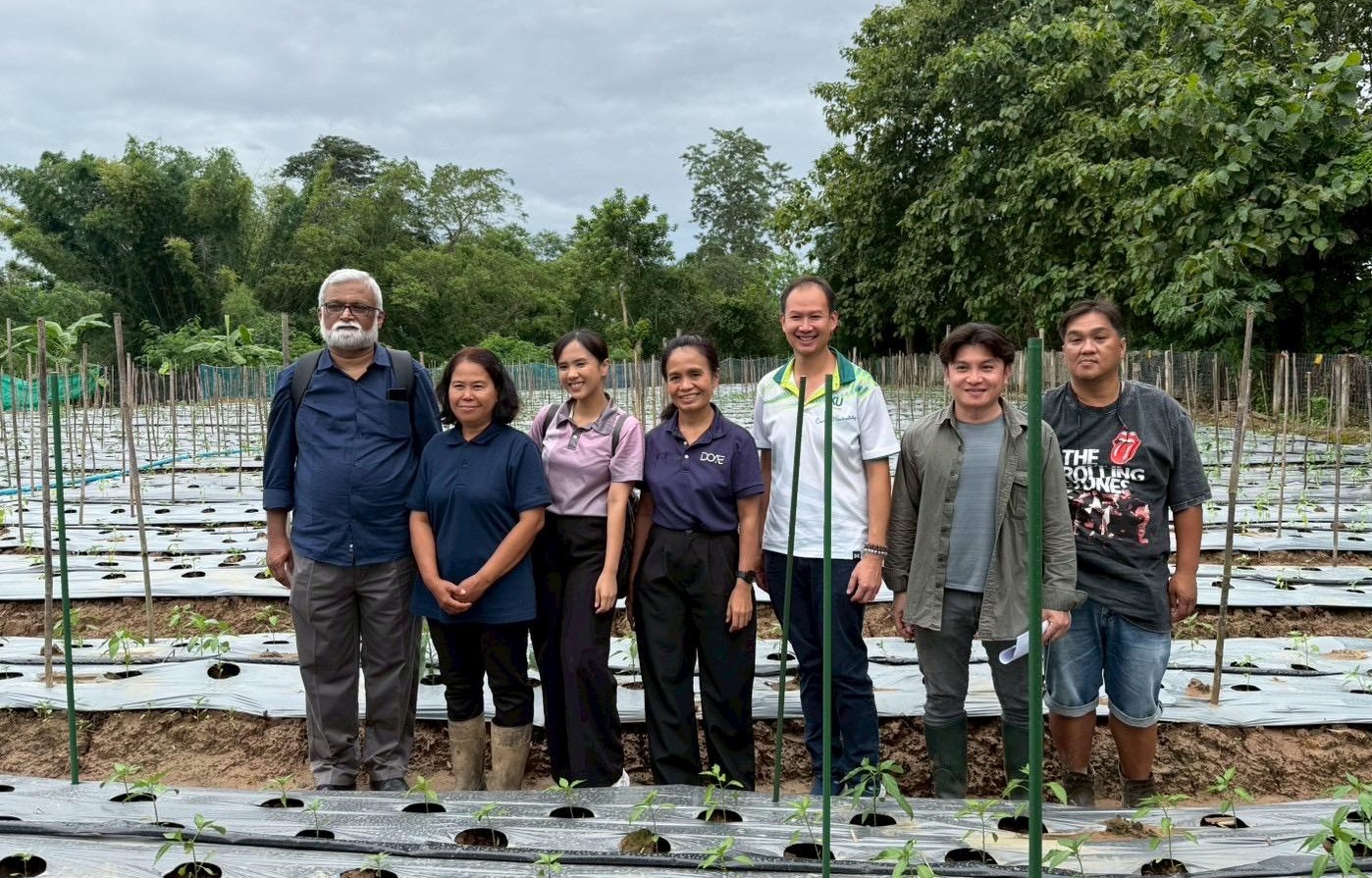
Thailand is keen to enhance its production of chillies by following Good Agricultural Practices (GAP). The Department of Agricultural Extension (DOAE) in Thailand through the AFACI-RATES project (2022-2025) has been implementing a project to identify, standardize and promote a package of practices in chilli cultivation through experimenting and integrating chill farming practices followed in Korea with the existing practices followed in Thailand. This is being tried in two of the Agricultural Learning Centres (ALCs) in two provinces, namely Phrae and Surin.
ALC is a learning center of agricultural production, management and marketing throughout the value chain to transfer agricultural services, appropriate information, and technologies to farmers. These 882 ALCs located in farmers’ farms across the country are model farmers having infrastructures related to agriculture such as demonstration fields and are willing to share their knowledge and expertise with neighbouring farmers. Several agencies are supporting the ALCs which is one of the main extension mechanisms through which new technologies are introduced in Thailand.
The RATES project in Thailand is also supported by researchers from the Kasetsart University who are developing and documenting the best practices in chill cultivation.
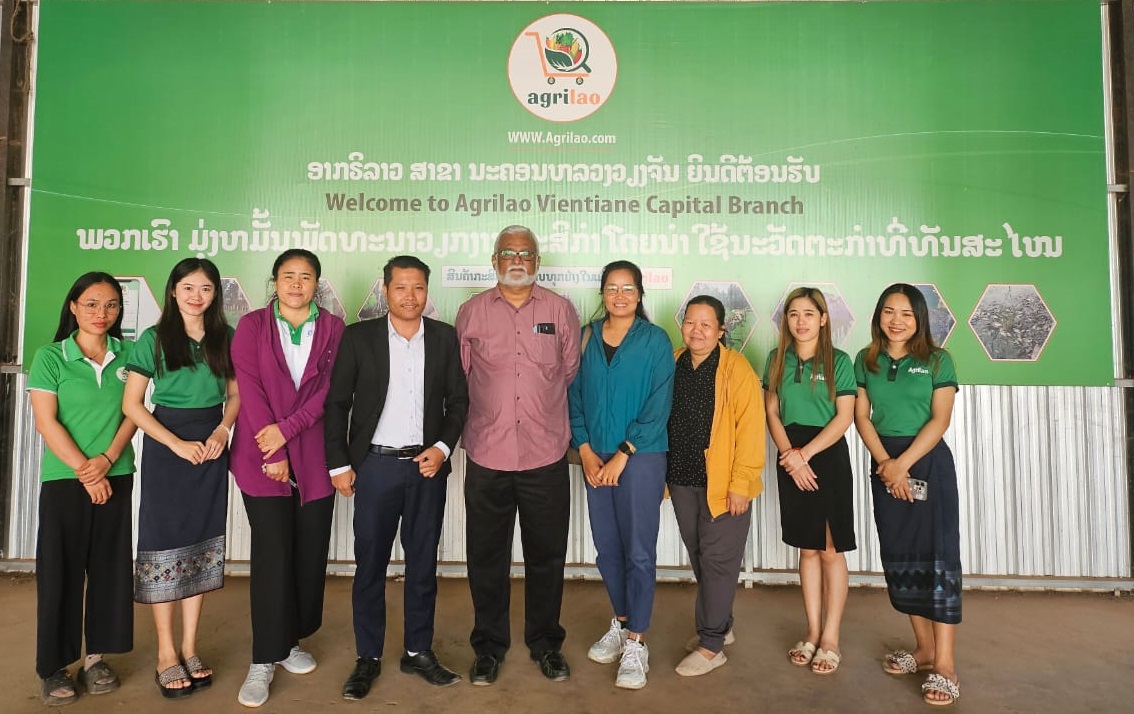
GFRAS through APIRAS is part of the RATES project. During 26-28 July 2025, Rasheed Sulaiman V, (Director, CRISP and PI of the project from GFRAS side); Ms Piyanan Boonsrang, (Agricultural Extensionist, Senior Professional level, Agricultural Extension Research and Development Division); and Ms Rattakorn Wuttiboon, (Foreign Relations Officer, Planning Division of DOAE) visited the ALC at Phrae Province managed by Mrs Preeya Udkhanjing (Nong Muangkhai District). The project will develop an extension manual on chilli cultivation and a video which will be available by the end of this year.
ALC is a learning center of agricultural production, management and marketing throughout the value chain to transfer agricultural services, appropriate information, and technologies to farmers. These 882 ALCs located in farmers’ farms across the country are model farmers having infrastructures related to agriculture such as demonstration fields and are willing to share their knowledge and expertise with neighbouring farmers. Several agencies are supporting the ALCs which is one of the main extension mechanisms through which new technologies are introduced in Thailand.
The RATES project in Thailand is also supported by researchers from the Kasetsart University who are developing and documenting the best practices in chill cultivation.
GFRAS through APIRAS is part of the RATES project. During 26-28 July 2025, Rasheed Sulaiman V, (Director, CRISP and PI of the project from GFRAS side); Ms Piyanan Boonsrang, (Agricultural Extensionist, Senior Professional level, Agricultural Extension Research and Development Division); and Ms Rattakorn Wuttiboon, (Foreign Relations Officer, Planning Division of DOAE) visited the ALC at Phrae Province managed by Mrs Preeya Udkhanjing (Nong Muangkhai District). The project will develop an extension manual on chilli cultivation and a video which will be available by the end of this year.
Field Visits to RATES Project Sites in Bhutan (April 14–18, 2025)
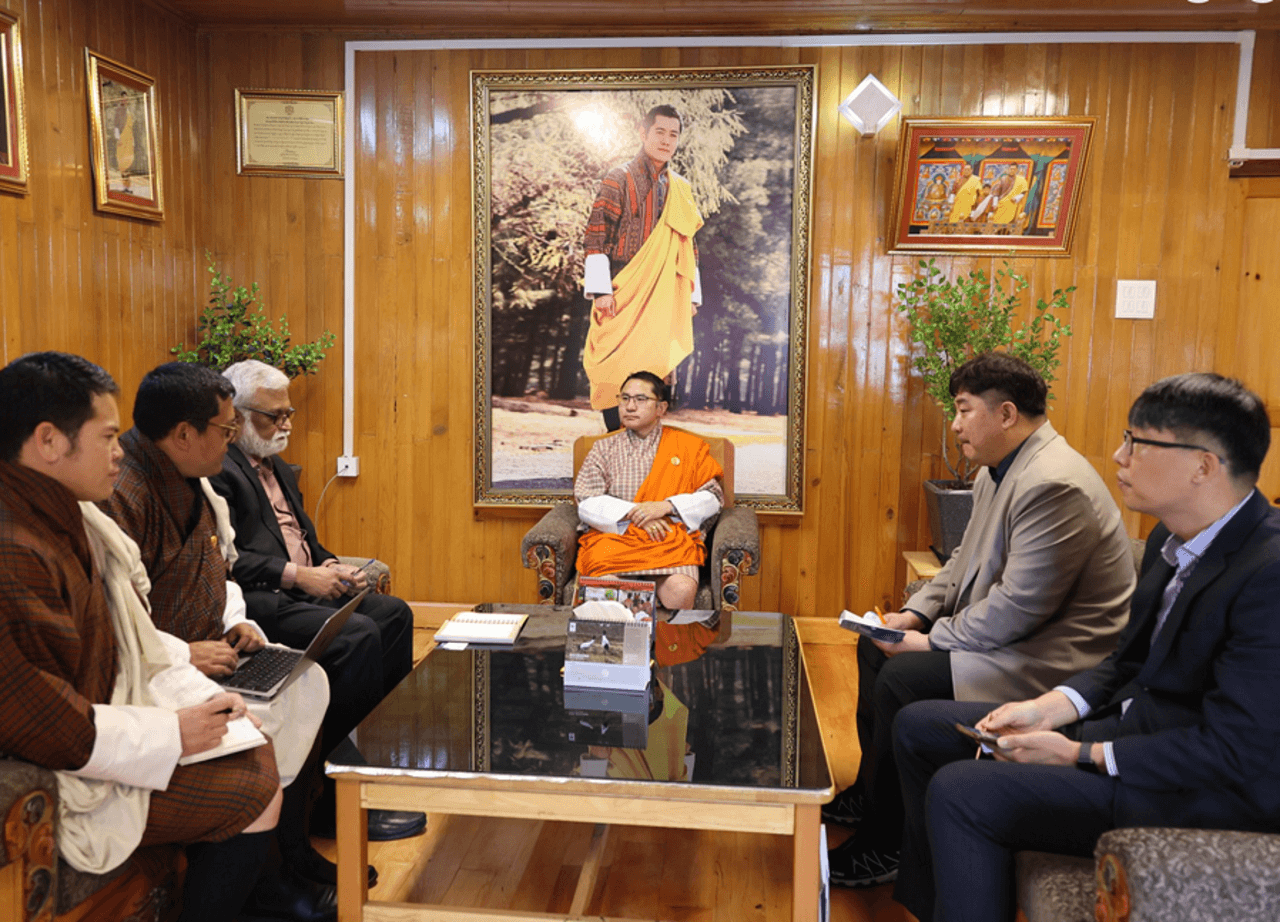
A team comprising Mr. Sunghwan Yun and Mr. Sung Jun Hong from RDA, Korea, and Dr. Rasheed Sulaiman V (PI-RATES, GFRAS), visited Bhutan to review RATES project interventions. During the visit, they toured project sites and met with key officials directly and indirectly involved in the implementation of the RATES project. The team also visited the Agriculture Research and Development Centre, Bajo, and interacted with researchers on Climate-Smart Agriculture Technology, as well as with staff at the National Plant Protection Centre (NPPC).
The team met with the Hon’ble Sonam Lyonpo, Minister for Agriculture and Livestock. The Minister expressed his gratitude for the support rendered by the AFACI-RATES project and urged the visiting team to continue supporting the Ministry, particularly for Bhutan's organic agricultural initiatives through market exploration and capacity building for Agricultural Extension Professionals.
The AFACI-RATES project has supported the establishment of an Organic Input Production Unit at the National Centre for Organic Agriculture (NCOA), which is currently in the final stages of completion. Production is scheduled to begin within a month. The team also engaged in discussions on other AFACI-funded research activities (e.g., tomato and chili) with researchers at the National Plant Protection Centre.
The project has completed reports of two baseline technology adoption studies, which are published on the Ministry of Agriculture website and available on the APIRAS site:
(a) Report on the Technology Adoption Survey—Western Region Click Here to View the PDF
(b) Report on Adoption of Labour Saving Technologies in Southern Region Click Here to View the PDF
A draft version of the Agriculture Extension Guideline is currently available and under review.
The team met with the Hon’ble Sonam Lyonpo, Minister for Agriculture and Livestock. The Minister expressed his gratitude for the support rendered by the AFACI-RATES project and urged the visiting team to continue supporting the Ministry, particularly for Bhutan's organic agricultural initiatives through market exploration and capacity building for Agricultural Extension Professionals.
The AFACI-RATES project has supported the establishment of an Organic Input Production Unit at the National Centre for Organic Agriculture (NCOA), which is currently in the final stages of completion. Production is scheduled to begin within a month. The team also engaged in discussions on other AFACI-funded research activities (e.g., tomato and chili) with researchers at the National Plant Protection Centre.
The project has completed reports of two baseline technology adoption studies, which are published on the Ministry of Agriculture website and available on the APIRAS site:
(a) Report on the Technology Adoption Survey—Western Region Click Here to View the PDF
(b) Report on Adoption of Labour Saving Technologies in Southern Region Click Here to View the PDF
A draft version of the Agriculture Extension Guideline is currently available and under review.
European Journal of Interdisciplinary Research and Development
For Uzbek farmers to thrive and transform, access to extension services is essential. Extension services that enable farmers to overcome barriers to improve their productivity, manage their farms as sustainable businesses, connect to input and product markets, and act collectively to improve their livelihoods are the first line of action to increase rural growth in the country. Improving advisory services in Uzbekistan is a vital part of the country's development agenda, as reflected in the Agri-Food SectorDevelopment Strategy (2020-2030). The strategy recognizes the importance of improving public sector services, opening up new markets for farmers and agribusinesses and introducing new technologies to the sector. In this endeavor, the RATEC project can play a decisive role, contributing directly to the achievement of many of the 2030 goals. However, ensuring equal access to extension services for Uzbek farmers remains a challenge that the government must address to improve the situation in rural livelihoodsand overcome rural poverty in the country. To address this challenge, we tried to answer the following questions during the second year of the project: What are the local realities and challenges faced by farmers? What services do farmers need to overcomethese constraints and gain better livelihood opportunities? What type of advisory and training support is available and how effective are they in reaching farmers and agribusinesses? What gaps exist in service support and how can the private and public sectors and other actors work together to fill them? These questions formed the basis for the second year of the RATEC project in the Tashkent region as part of the methodology for identifying advisory positions needed at the district advisory level.
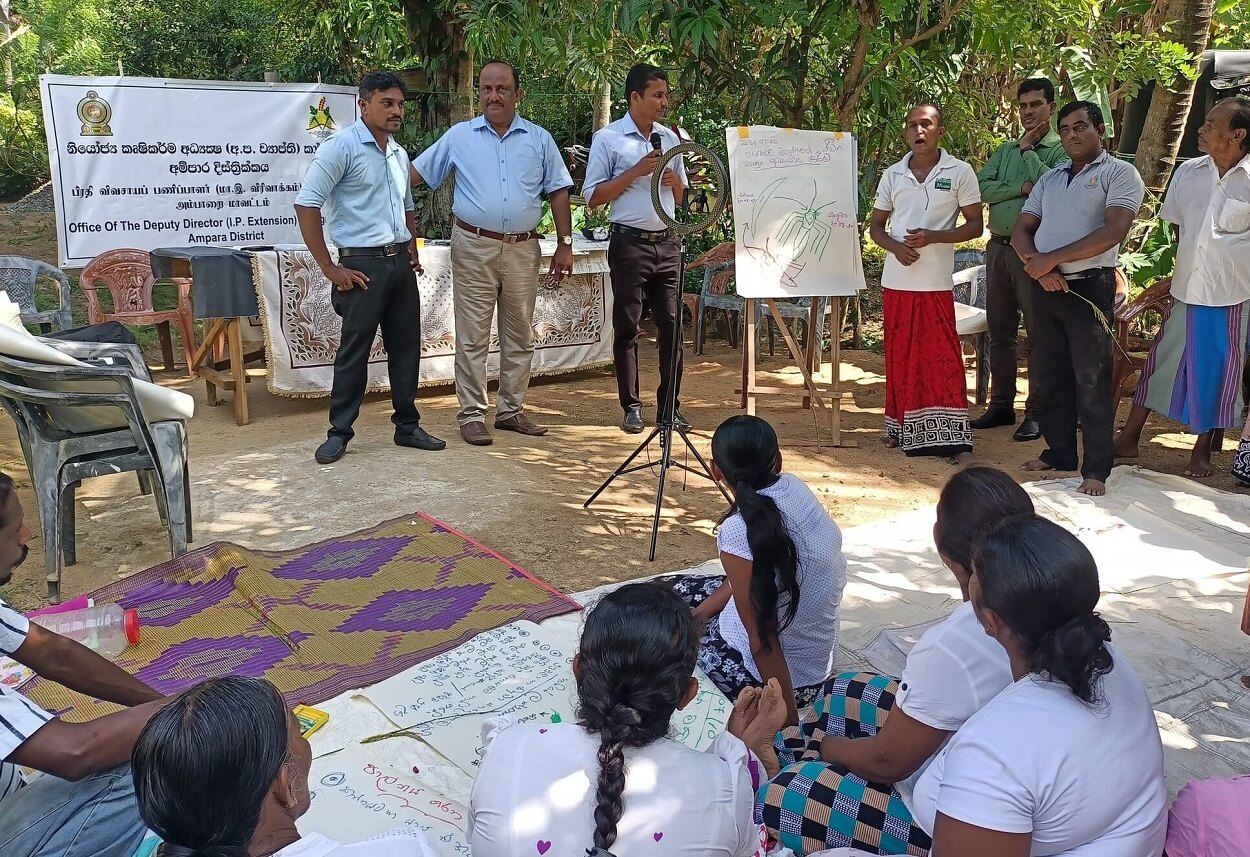
As part of the project, capacity-building trainings were organized for extension specialists and farmers in the Tashkent region, which includes 18 districts. Capacity building training for extension workers focused on improving agricultural practices.
Click Here to View the PDF
As part of the project, capacity-building trainings were organized for extension specialists and farmers in the Tashkent region, which includes 18 districts. Capacity building training for extension workers focused on improving agricultural practices.
Click Here to View the PDF